
Magyar Állami Operaház
Magyar Állami Operaház — Andrássy út 22, Budapest, 1061
Über
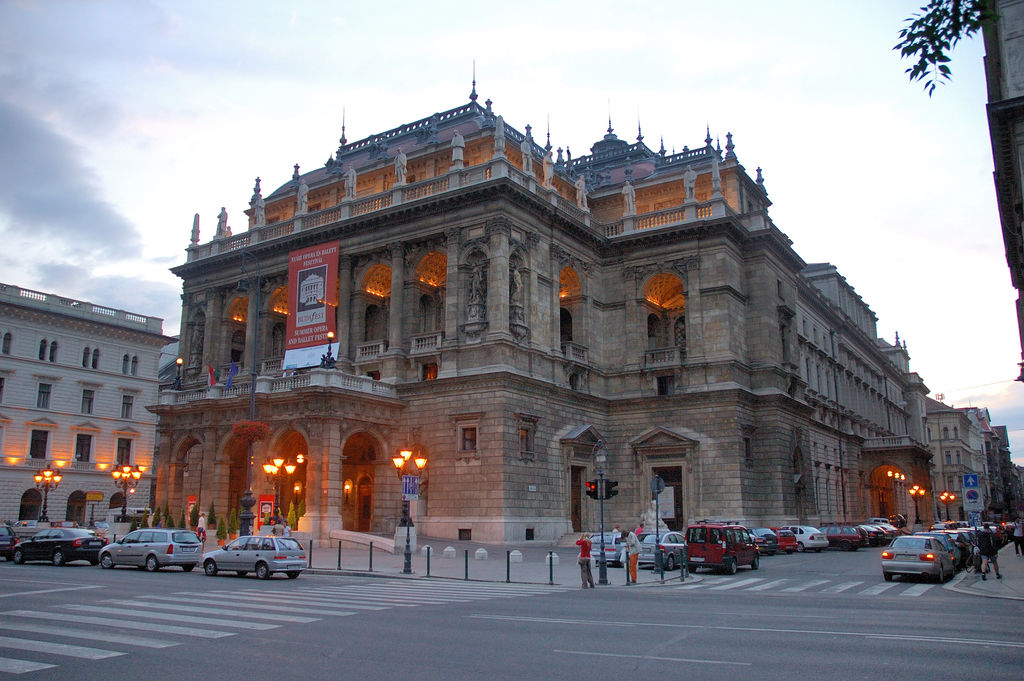
The Magyar Állami Operaház, a breathtaking architectural masterpiece, stands as a testament to the city's rich cultural heritage. Conceived in the late 19th century, its construction was a grand undertaking, reflecting the ambition and artistic fervor of the era. The opera house officially opened its doors in 1884, quickly becoming a focal point for high society and a symbol of national pride. Its history is interwoven with the evolution of performing arts, hosting countless legendary performances and nurturing generations of talented artists. Throughout the decades, it has weathered political storms and societal changes, emerging as a resilient beacon of artistic expression. The building itself is a stunning example of Neo-Renaissance architecture, characterized by its opulent facade, intricate detailing, and harmonious proportions. The exterior is adorned with sculptures of prominent composers and artists, paying homage to the giants of the operatic world. Inside, the grand auditorium is a feast for the eyes, boasting lavish decorations, gilded surfaces, and a magnificent chandelier that illuminates the space with a warm, inviting glow. The acoustics are renowned for their clarity and richness, ensuring an unforgettable auditory experience for every audience member. The opera house also houses a museum dedicated to its history and the art of opera, offering visitors a glimpse into the backstage world and the stories behind the performances. Culturally, the Magyar Állami Operaház plays a vital role in preserving and promoting the operatic tradition. It serves as a platform for both established and emerging artists, showcasing a diverse repertoire that spans classical masterpieces and contemporary works. Attending a performance here is not merely an entertainment experience; it is an immersion into a world of passion, drama, and artistic excellence. The opera house also hosts educational programs and outreach initiatives, aiming to cultivate a love for opera among younger generations. Did you know that Emperor Franz Joseph I attended the opening night? Or that the chandelier weighs over three tons? Another interesting fact is that there's a hidden 'royal staircase' used exclusively by the emperor. For practical advice, check the official website for the most up-to-date performance schedules and ticket availability. Booking in advance is highly recommended, especially for popular productions. Consider a daytime tour to admire the architecture without the crowds. When you visit, expect to be transported to a world of elegance and artistry. Dress code is smart casual, but many attendees opt for more formal attire, especially for evening performances. Be prepared to be captivated by the sheer beauty and grandeur of this iconic landmark.
Practical information
- Type
- Tourismus
- Opening hours
- Mon–Sun: 09:00–18:00
- Wheelchair access
- Yes
- Built / founded
- 1884-03-09
- Architect
- Ybl Miklós
Werde Teil der NOMADS-Community
Likes, Kommentare, Favoriten und Locals — alles in der App.