
Magyar Nemzeti Múzeum
Magyar Nemzeti Múzeum — Múzeum körút 14-16, Budapest, 1088
Über
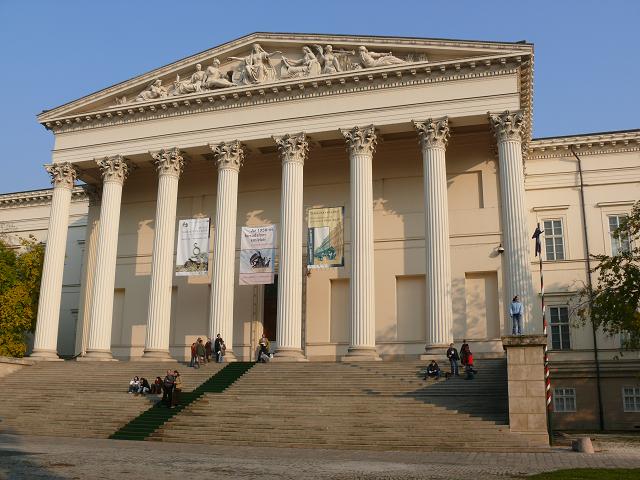
The Magyar Nemzeti Múzeum, a treasure trove of national heritage, stands as a powerful symbol of Hungarian identity, meticulously preserving and showcasing the nation's rich history and vibrant culture. Founded in 1802 by Count Ferenc Széchényi, it was initially conceived as a national library and gradually evolved into a comprehensive museum, opening its doors to the public in 1846. The museum's collections span a vast timeline, from prehistoric times to the present day, offering visitors a captivating journey through the ages. Its establishment marked a pivotal moment in the Hungarian national awakening, fostering a sense of collective identity and pride during a period of significant political and social change. The museum played a crucial role in preserving artifacts and documents related to Hungarian history, language, and culture, contributing significantly to the development of national consciousness. The museum's architecture is a masterpiece in itself, designed in a neoclassical style by architect Mihály Pollack. Its imposing facade, adorned with grand columns and intricate sculptures, reflects the aspirations of a nation seeking to assert its cultural identity. Inside, the museum houses an impressive array of artifacts, including the coronation mantle of Hungarian kings, a symbol of royal power and national sovereignty. Visitors can explore exhibits dedicated to archaeology, medieval and modern history, folk art, and natural history, gaining a comprehensive understanding of the country's diverse heritage. The museum also features a beautiful garden, providing a tranquil oasis for reflection and contemplation. Culturally, the Magyar Nemzeti Múzeum serves as a vital institution for preserving and promoting Hungarian identity. It hosts a variety of exhibitions, educational programs, and cultural events throughout the year, engaging visitors of all ages and backgrounds. The museum's collections are not merely historical artifacts; they are living embodiments of the nation's collective memory, inspiring a sense of belonging and pride. For practical information, the museum is generally open from Tuesday to Sunday, with varying hours depending on the season. It's advisable to check the official website for the most up-to-date information on opening hours and ticket prices. Consider visiting during the shoulder seasons (spring or fall) to avoid large crowds. Allow at least 3-4 hours to fully explore the museum's extensive collections. One interesting fact is that the museum's building itself played a significant role in the 1848 Hungarian Revolution, serving as a gathering place for revolutionaries. Another curiosity is the Seuso Treasure, a collection of late Roman silver discovered in Hungary, which is one of the museum's most prized possessions. Finally, the museum's library contains a vast collection of books, manuscripts, and maps, making it a valuable resource for researchers and scholars. During your visit, expect to be immersed in a rich tapestry of history, art, and culture, leaving with a deeper appreciation for the Hungarian nation.
Practical information
- Type
- Tourismus
- Opening hours
- Tu-Su 10:00–18:00
- Entrance fee
- Yes
- Wheelchair access
- Yes
- Wi‑Fi
- wlan
- Toilets
- Yes
- Built / founded
- 1847
- Architect
- Pollack Mihály
Werde Teil der NOMADS-Community
Likes, Kommentare, Favoriten und Locals — alles in der App.