
Palacio Real de Madrid
Palacio Real de Madrid — nan
Über
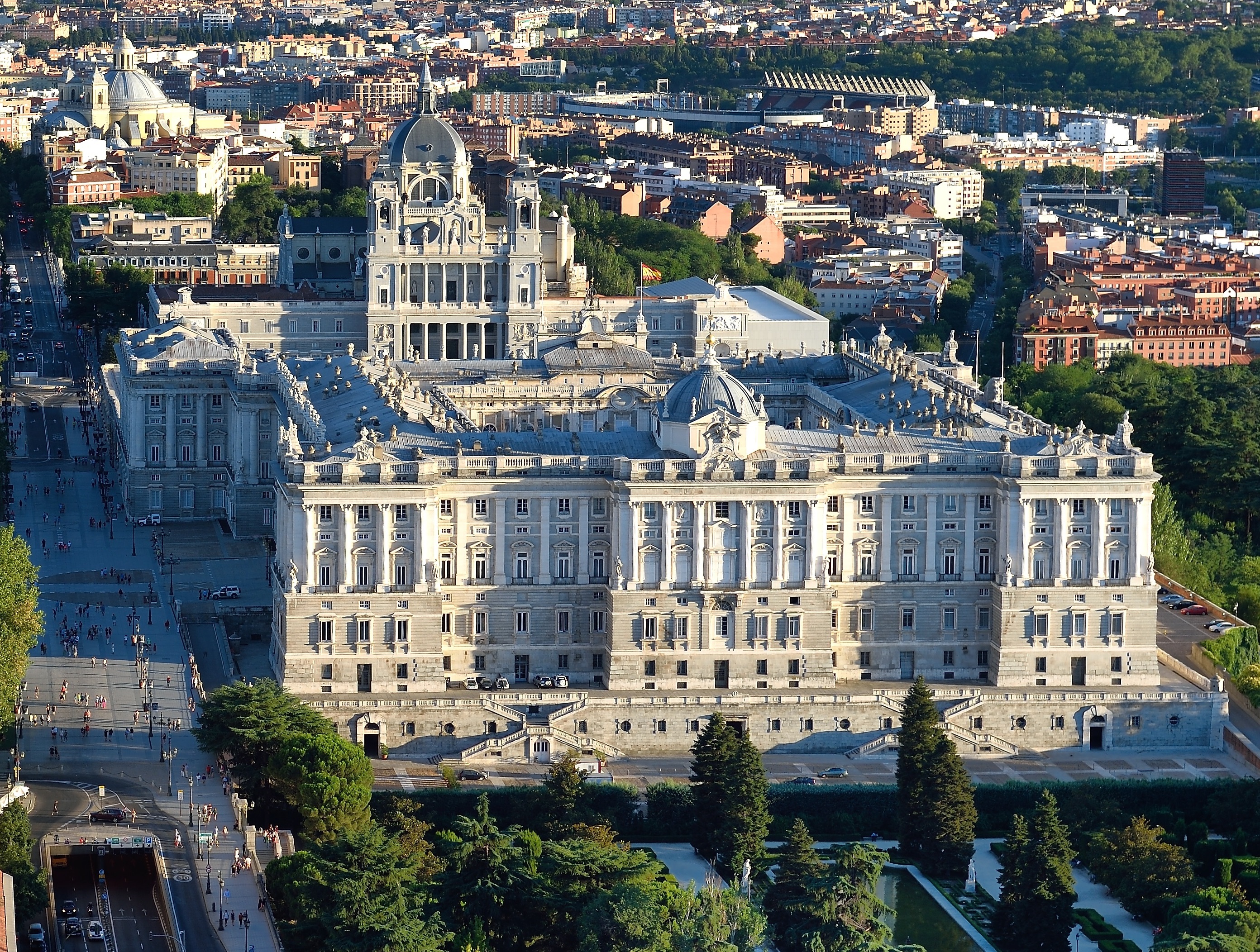
The Royal Palace, a majestic edifice, stands as a testament to the rich history and enduring legacy of the Spanish monarchy. More than just a residence, it is a living museum, a repository of art, and a symbol of national pride. Its origins trace back to the 9th century when a Muslim fortress, or Alcázar, occupied the site. This structure evolved over centuries, eventually becoming a favored residence of the Kings of Castile. However, a devastating fire in 1734 razed the old Alcázar to the ground, prompting King Philip V to commission a new palace, one that would rival the grandest royal residences of Europe. The construction of the new Royal Palace began in 1738, guided by the designs of Filippo Juvarra and, after his death, his pupil Giovanni Battista Sacchetti. The palace is a masterpiece of Baroque architecture, characterized by its symmetrical facade, imposing scale, and lavish ornamentation. Built primarily of white Colmenar stone, the palace boasts over 3,000 rooms, though only a selection are open to the public. Inside, visitors are greeted by a dazzling array of artistic treasures. The palace's collection includes paintings by masters such as Goya, Velázquez, and Caravaggio, as well as exquisite tapestries, porcelain, and furniture. The Royal Armoury, one of the most important in Europe, displays a remarkable collection of weapons and armor dating back to the 15th century. The Throne Room, with its stunning ceiling fresco by Tiepolo, is a highlight, as is the Hall of Mirrors, inspired by Versailles. Beyond its artistic and architectural significance, the Royal Palace holds deep cultural importance. Although it is no longer the primary residence of the Spanish Royal Family, it remains their official residence and is used for state occasions, such as banquets and receptions for foreign dignitaries. The Changing of the Guard ceremony, held on the first Wednesday of each month, is a popular spectacle that draws large crowds. Interesting facts include: the palace's vast library houses a priceless collection of manuscripts and books; the Royal Kitchen, fully restored, offers a glimpse into the culinary life of the monarchy; and the Campo del Moro gardens, located below the palace, provide a tranquil escape from the bustling city. For visitors, the Royal Palace is generally open daily, with varying hours depending on the season. It is advisable to purchase tickets in advance online to avoid long queues. The best time to visit is during the shoulder seasons (spring or fall) when the weather is pleasant and the crowds are smaller. During your visit, expect to be awed by the sheer scale and opulence of the palace, and to gain a deeper appreciation for the history and culture of Spain. Be sure to allow ample time to explore the various rooms and collections, and to wander through the beautiful gardens.
Practical information
- Type
- Tourismus
- Opening hours
- Oct-Mar: 10:00–18:00
Apr-Sep: 10:00–20:00 - Entrance fee
- Yes
- Wheelchair access
- limited
- Wi‑Fi
- wlan
Werde Teil der NOMADS-Community
Likes, Kommentare, Favoriten und Locals — alles in der App.