
Basilique du Sacré-Cœur
Basilique du Sacré-Cœur — nan
À propos
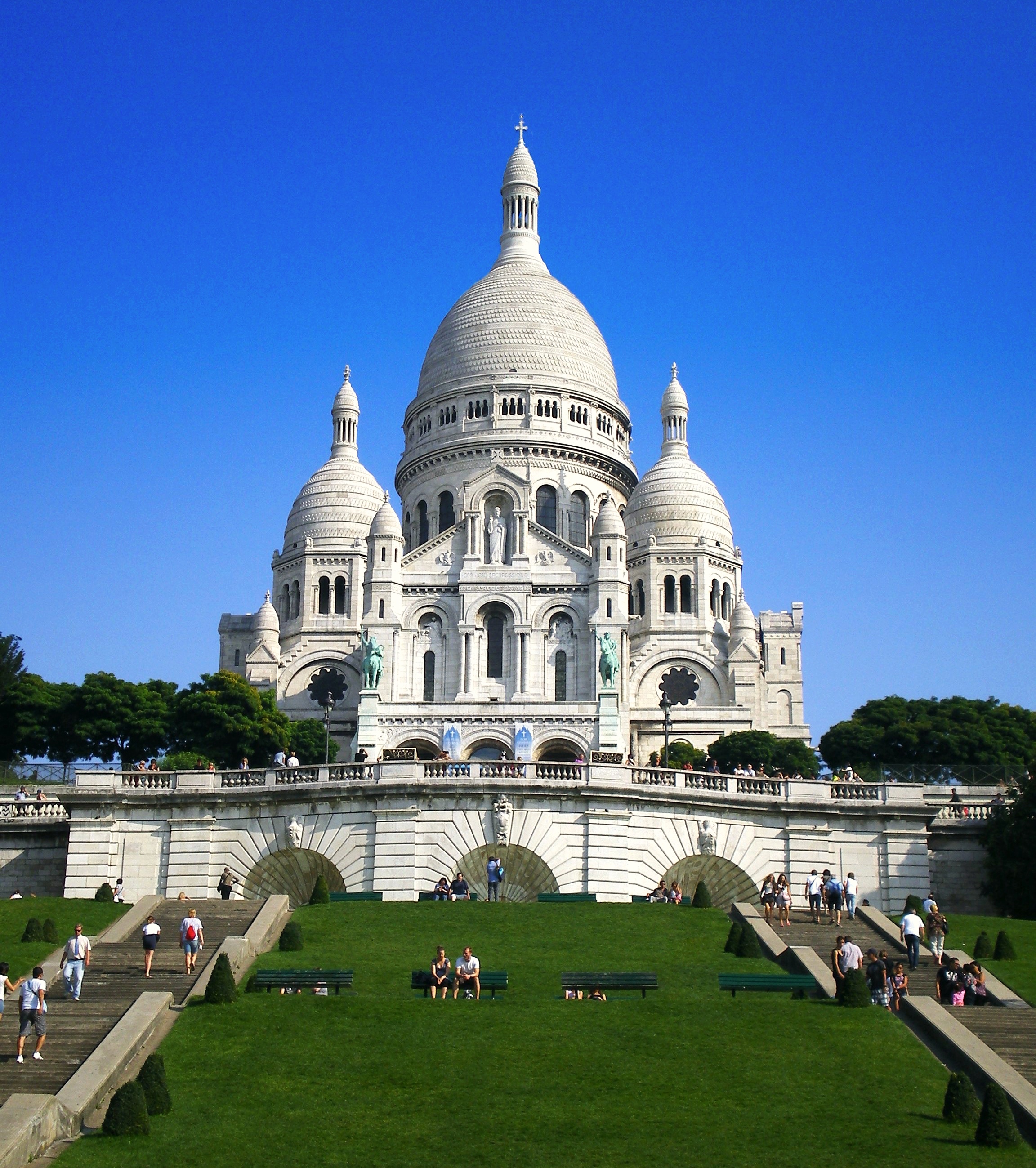
The Basilique du Sacré-Cœur, a gleaming white basilica, stands majestically atop Montmartre, offering an unparalleled panorama. Its construction, a response to the tumultuous events of the Franco-Prussian War and the Paris Commune in the late 19th century, was envisioned as a symbol of hope, penance, and spiritual renewal for the nation. The foundation stone was laid in 1875, and the basilica was finally consecrated in 1919, after decades of painstaking work. The visionaries behind the Sacré-Cœur sought to create a monument that would not only dominate the skyline but also serve as a beacon of faith and reconciliation. Its very existence is intertwined with a complex period of history, making it more than just a beautiful building; it's a testament to resilience and the enduring power of belief. The basilica's architecture is a striking example of Romano-Byzantine style, a deliberate departure from the prevailing Gothic and Neoclassical styles of the time. Its four domes, including the central dome which soars to a height of 83 meters, are its most prominent features. The exterior is constructed from Château-Landon stone, which has the unique property of self-cleaning and whitening over time, ensuring the basilica maintains its brilliant white appearance. Inside, the basilica is adorned with magnificent mosaics, stained glass windows, and sculptures. The Great Mosaic of Christ in Glory, one of the largest mosaics in the world, dominates the apse. The basilica also houses one of the world's largest bells, known as the Savoyarde, a gift from the Savoie region. Culturally, the Sacré-Cœur is deeply embedded in the identity of the area. It's a place of pilgrimage, a site for quiet contemplation, and a symbol of national identity. The basilica's location on Montmartre, historically a haven for artists and bohemians, adds to its allure. Visiting the Sacré-Cœur is free, although there is a charge to access the dome and the crypt. The basilica is open daily from early morning until evening. To avoid crowds, consider visiting early in the morning or later in the afternoon. Be prepared for a steep climb up the steps to reach the basilica, or alternatively, you can take the funicular. Once inside, expect a serene and reverent atmosphere. Photography is permitted, but flash photography is generally discouraged. One interesting fact is that the land on which the basilica stands was purchased under the belief that it was the site of the martyrdom of Saint Denis, the patron saint. Another curiosity is that the design was chosen from 78 entries in a competition. Finally, the basilica's construction was largely funded by private donations, highlighting the strong public support for the project. A visit to the Sacré-Cœur is an unforgettable experience, offering not only stunning views but also a glimpse into the heart and soul.
Practical information
- Type
- Tourisme
- Opening hours
- 06:00–22:30
- Wheelchair access
- No
- Architect
- Paul Abadie
- Religion
- christian
- Denomination
- catholic
Rejoignez la communauté NOMADS
J’aime, commentaires, favoris et contacts locaux — tout dans l’app.