
Musée d'Orsay
Musée d'Orsay — Rue de la Légion d'Honneur 1, 75007
À propos
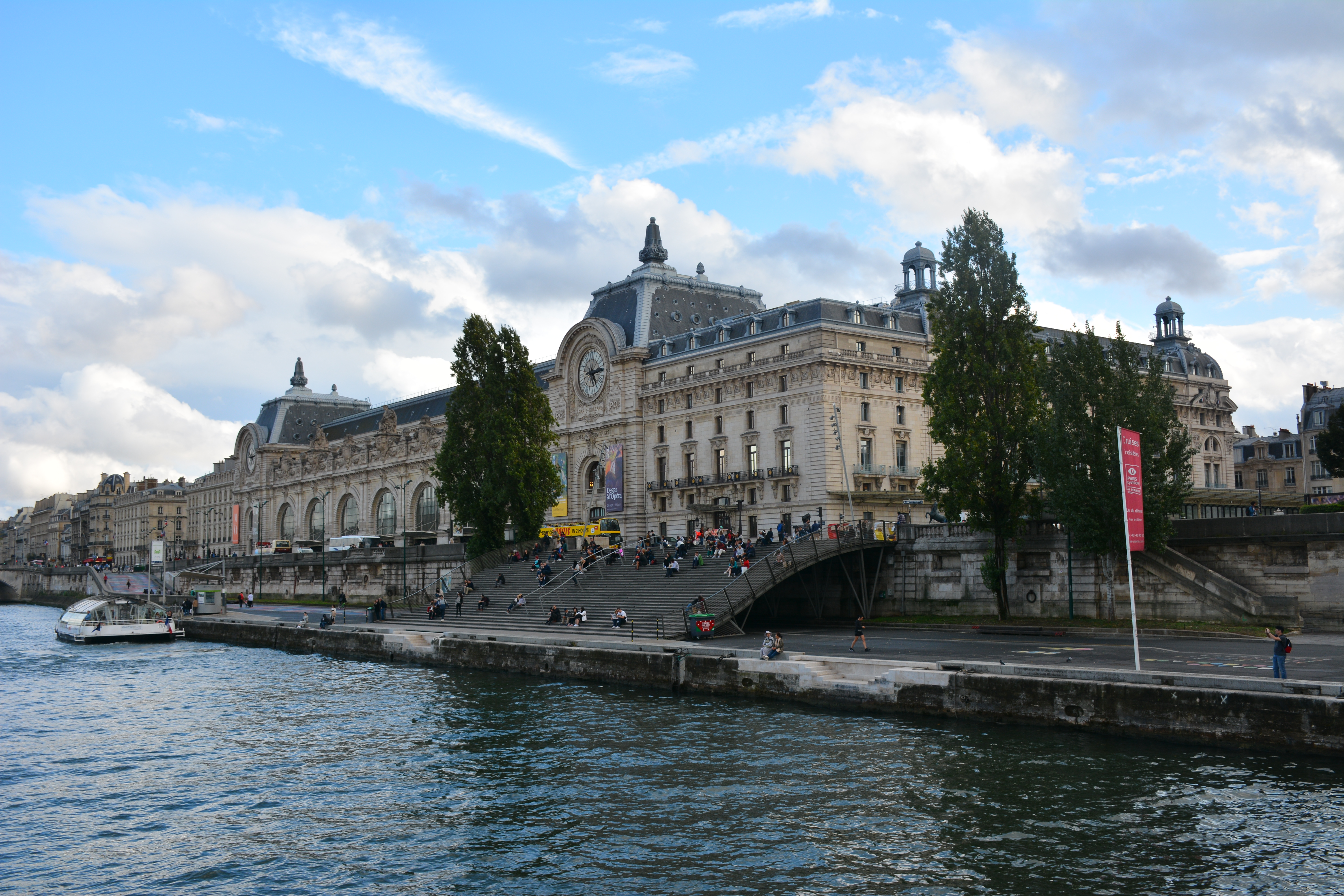
The Musée d'Orsay, a majestic edifice on the banks of the Seine, stands as a testament to the artistic ferment of the late 19th and early 20th centuries. Housed within a former railway station, its very structure speaks to a time of rapid industrial and social change, mirroring the revolutionary spirit of the art it contains. The museum primarily showcases French art dating from 1848 to 1914, bridging the gap between the Louvre's focus on earlier periods and the Centre Pompidou's dedication to modern art. Its collection offers a comprehensive overview of this pivotal era, encompassing painting, sculpture, photography, and decorative arts. The building itself boasts a fascinating history. Originally constructed as the Gare d'Orsay for the Universal Exhibition of 1900, it was designed by architect Victor Laloux and served as a bustling transportation hub. However, with the advent of longer trains, the station became obsolete by 1939. After narrowly escaping demolition, it was repurposed, eventually transforming into the museum we know today, opening its doors in 1986. The conversion, overseen by architect Gae Aulenti, retained the station's grand architectural features while creating a functional and aesthetically pleasing space for art. The museum's collection is particularly renowned for its Impressionist and Post-Impressionist masterpieces. Visitors can admire iconic works by Monet, Renoir, Degas, and Van Gogh, among others. The sheer volume and quality of these paintings offer an unparalleled opportunity to immerse oneself in the world of Impressionism, with its emphasis on capturing fleeting moments of light and color. Beyond painting, the museum also features an impressive collection of sculptures, including works by Rodin and Camille Claudel, as well as furniture and decorative objects that reflect the Art Nouveau style. Visiting the Musée d'Orsay is an experience that engages multiple senses. The building's soaring glass roof allows natural light to flood the galleries, enhancing the viewing experience. The museum is open from Tuesday to Sunday, and tickets can be purchased online in advance to avoid queues. Consider visiting during the shoulder seasons (spring or fall) for fewer crowds. Wheelchair access is available throughout the museum. One interesting fact: the museum clock, a remnant of its railway station days, is a popular meeting point and photo opportunity. Another curiosity is that the museum once served as a filming location for Orson Welles's adaptation of Kafka's "The Trial." Finally, be sure to take a break at the museum's café, located behind the giant clock, for stunning views of the Seine.
Practical information
- Type
- Tourisme
- Opening hours
- Tu-Su 09:30–18:00
Th 09:30–21:45 - Entrance fee
- Yes
- Wheelchair access
- Yes
- Built / founded
- 1900
- Architect
- Victor Laloux
- Heritage
- 2
Rejoignez la communauté NOMADS
J’aime, commentaires, favoris et contacts locaux — tout dans l’app.