
Place de la Concorde
Place de la Concorde — nan
À propos
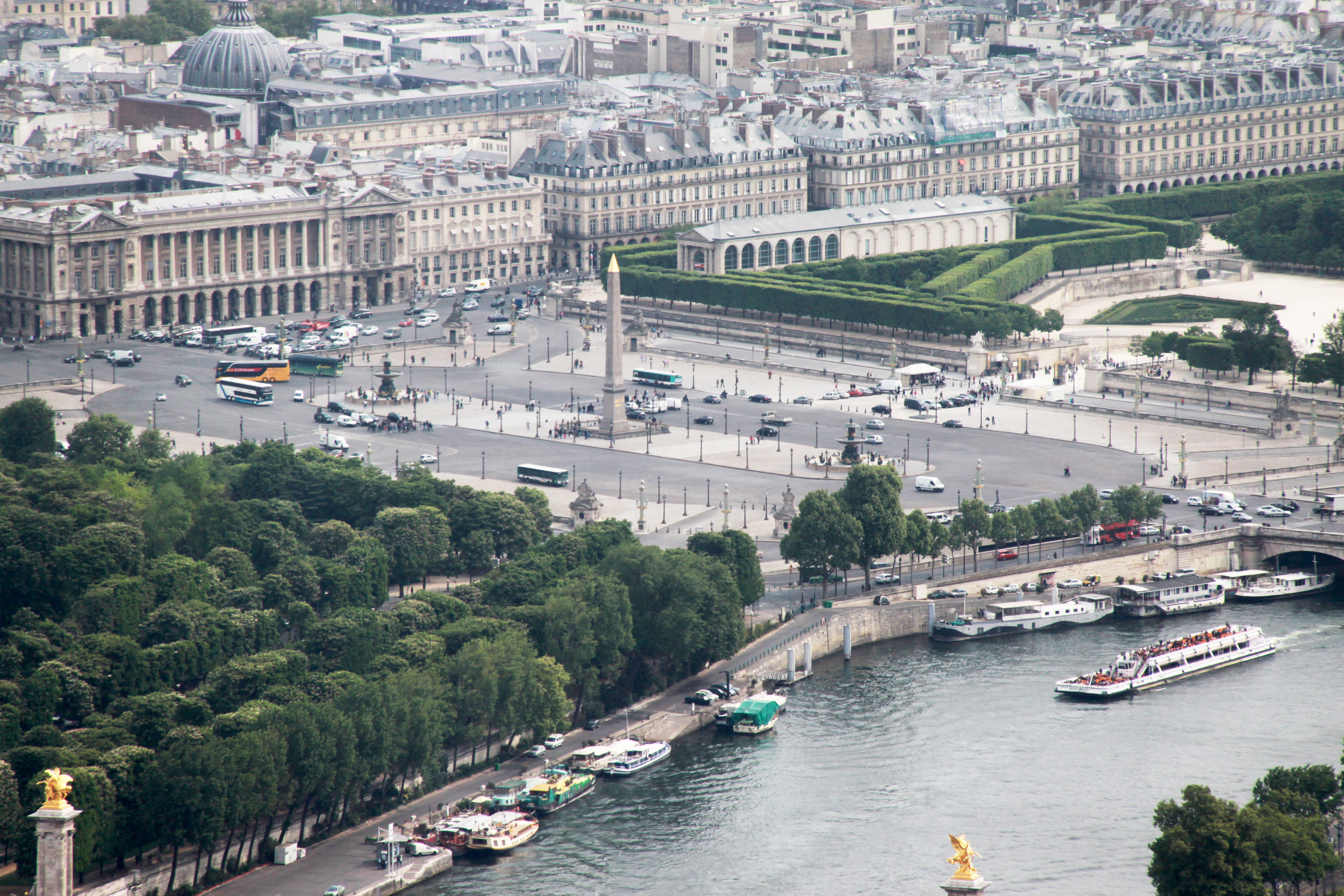
Place de la Concorde, a vast and historically charged public square, stands as a testament to pivotal moments in history. Originally conceived as Place Louis XV to honor the king, its creation was part of a grand architectural project intended to showcase royal power. However, its destiny took a dramatic turn during the French Revolution, when it was renamed Place de la Révolution and became the site of the guillotine. It was here that King Louis XVI, Marie Antoinette, and countless others met their fate, marking a dark chapter in history. Later, seeking reconciliation after the tumultuous years of revolution, it was renamed Place de la Concorde, symbolizing peace and unity. The square's design, largely attributed to Ange-Jacques Gabriel, is a masterpiece of urban planning. Its octagonal shape is defined by elegant neoclassical buildings and monumental statues representing French cities. The most striking feature is undoubtedly the Luxor Obelisk, a 23-meter-high ancient Egyptian obelisk gifted to by Egypt in the 19th century. This towering monolith, adorned with hieroglyphs, serves as a constant reminder of ancient civilizations and adds a touch of exotic grandeur to the surroundings. Two impressive fountains, the Fontaine des Mers and the Fontaine des Fleuves, flank the obelisk, their sculpted figures and cascading water adding to the square's visual splendor. Place de la Concorde is more than just a beautiful space; it's a place where history resonates. It has witnessed royal celebrations, revolutionary fervor, and national commemorations. Today, it serves as a popular gathering place for locals and tourists alike, offering stunning views of the Champs-Élysées, the Tuileries Garden, and the Assemblée Nationale. Visiting Place de la Concorde is free and open to the public at all times. The best time to visit is during the day to fully appreciate the architectural details and the grandeur of the obelisk and fountains. However, the square is equally enchanting at night, when the obelisk and fountains are illuminated, creating a magical atmosphere. Be prepared for crowds, especially during peak tourist season. While there, take a moment to reflect on the square's rich history and its significance as a symbol of both conflict and reconciliation. Don't miss the opportunity to capture stunning photographs of the obelisk, the fountains, and the surrounding landmarks. A little-known fact: beneath the square lies a time capsule containing documents detailing the history of the Third Republic. Another interesting detail is that during the Revolution, a statue of Liberty was erected on the square, replacing the statue of Louis XV. Finally, the two monumental buildings on the north side of the square, separated by Rue Royale, appear identical but are actually subtly different in their design.
Practical information
- Type
- Tourisme
- Opening hours
- Mon–Sun: 09:00–18:00
Rejoignez la communauté NOMADS
J’aime, commentaires, favoris et contacts locaux — tout dans l’app.