
Mercato Centrale di Budapest
Központi Vásárcsarnok — Vámház körút 1-3, Budapest, 1093
Over
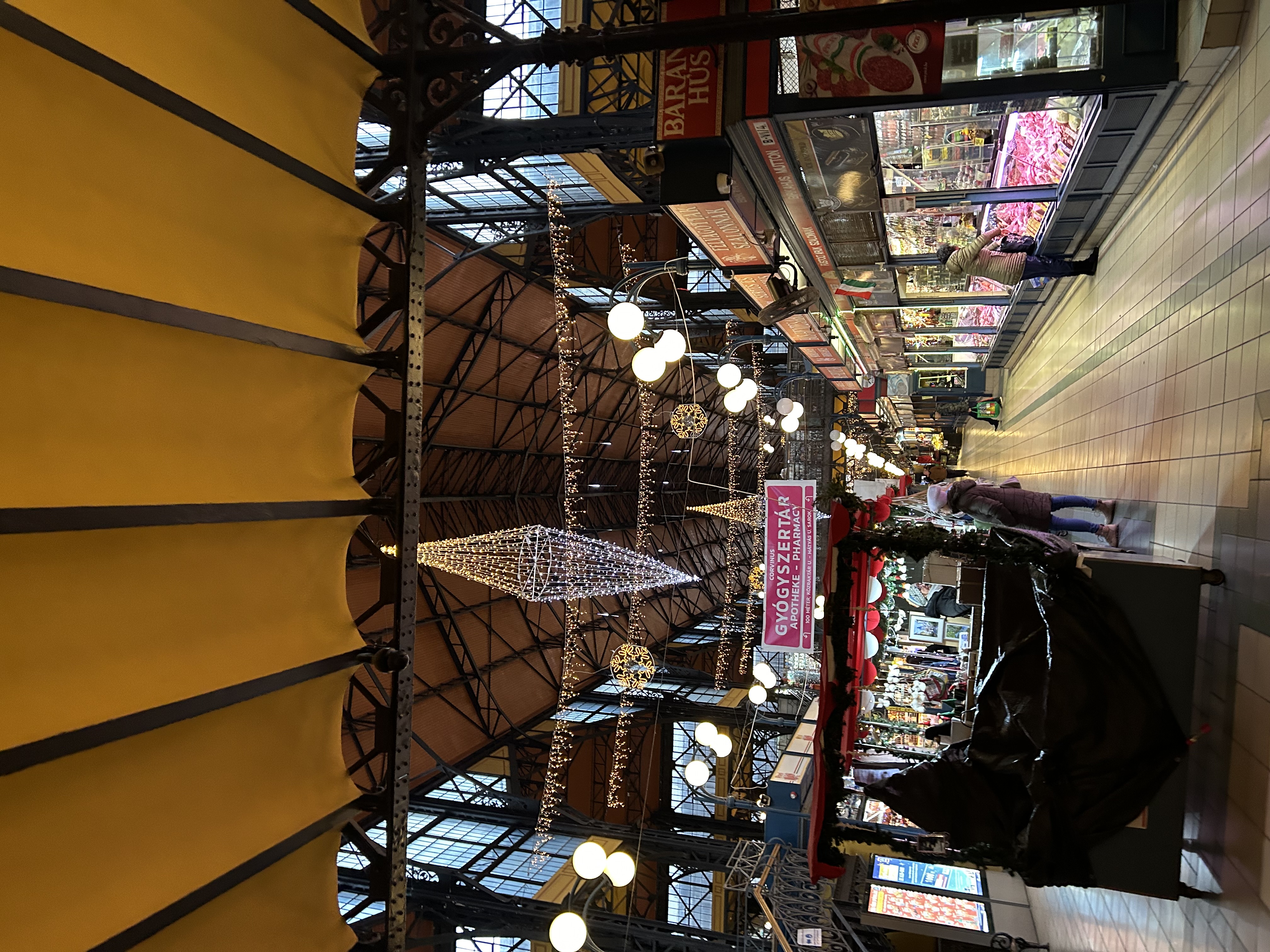
The Central Market Hall stands as a testament to the city's vibrant history and bustling commerce. Conceived in the late 19th century and completed in 1897, this architectural marvel was envisioned to streamline trade and provide a hygienic environment for vendors. Its construction was part of a larger urban development plan aimed at modernizing the city and solidifying its position as a major European capital. The market quickly became a central hub for locals and traders alike, offering a wide array of agricultural products, meats, and crafts. Throughout the 20th century, it weathered numerous historical events, including wars and political upheavals, yet it always managed to retain its significance as a vital part of the city's identity. Today, it continues to thrive, attracting both residents and tourists eager to experience its unique atmosphere. The building itself is a stunning example of late 19th-century architecture, blending neo-Gothic and Art Nouveau elements. Designed by Samu Pecz, its most striking feature is the colorful Zsolnay porcelain tiles that adorn the roof, creating a visually captivating pattern. The interior is equally impressive, with its soaring iron structure providing ample space for vendors and shoppers. Natural light floods the hall through large windows, illuminating the vibrant displays of goods. The main hall is divided into three levels: the ground floor primarily features food stalls, the upper level houses souvenir shops and eateries, and the basement contains fishmongers and smaller vendors. The architectural design not only serves a functional purpose but also contributes to the market's overall aesthetic appeal, making it a landmark in its own right. Culturally, the Central Market Hall is more than just a place to buy groceries; it's a social gathering point where locals meet, chat, and share stories. It offers a glimpse into the culinary traditions of the region, with vendors selling everything from traditional sausages and paprika to fresh pastries and local wines. The market is also a great place to find unique souvenirs and handicrafts, providing visitors with an opportunity to support local artisans. Fun Facts: The market was severely damaged during World War II and had to be extensively renovated. The Zsolnay tiles on the roof are not only decorative but also help to regulate the temperature inside the hall. The basement level once housed a system of canals that allowed vendors to transport goods directly from the Danube River. Practical Tips: The Central Market Hall is open from Monday to Saturday, with varying hours. It's best to visit in the morning to avoid the crowds. Be prepared to haggle, especially when buying souvenirs. Don't forget to sample some of the local delicacies, such as lángos or kürtőskalács. Expect a sensory overload of sights, sounds, and smells, but embrace the chaos and enjoy the experience!
Practical information
- Type
- Toerisme
- Opening hours
- Mo 06:00–17:00
Tu-Fr 06:00–18:00
Sa 06:00–15:00
PH closed - Wheelchair access
- Yes
- Built / founded
- 1897
- Architect
- Pecz Samu
Word lid van de NOMADS-community
Likes, reacties, favorieten en locals — alles in de app.