
Orologio Astronomico di Praga
Staroměstský orloj — nan
Acerca de
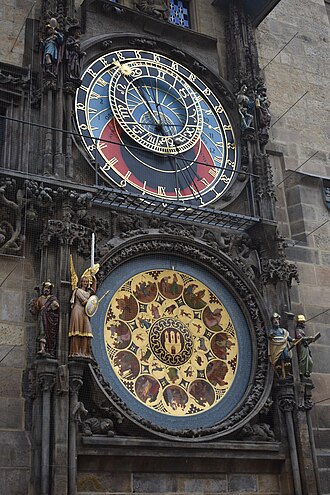
The Astronomical Clock, a medieval marvel, stands as a testament to the ingenuity of its creators. This intricate timepiece, adorning the southern wall of the Old Town Hall, is more than just a clock; it's a celestial theater, a historical record, and a cultural icon all rolled into one. Its history stretches back to the early 15th century, with the first clock installed in 1410. Over the centuries, it has undergone numerous restorations and modifications, each adding to its complexity and allure. The clock's design reflects a deep understanding of astronomy and a profound appreciation for artistic expression. The clock's mechanism, a marvel of medieval engineering, tracks not only the time but also the positions of the sun, moon, and various constellations. The clock's dial is a visual feast, with its intricate astronomical dial displaying the movement of celestial bodies and the calendar dial below marking the days, months, and religious holidays. The figures that adorn the clock, including the iconic Apostles who appear during the hourly show, are meticulously crafted and add a layer of narrative to the clock's functionality. As the hour strikes, the Astronomical Clock comes alive. The figures of the Apostles parade past the windows, accompanied by the figures of Death, Vanity, Greed, and Lust, each representing a different aspect of human nature. This hourly spectacle draws crowds of onlookers, all eager to witness this captivating performance. The clock's cultural significance extends beyond its mechanical and artistic features. It has become a symbol of the city, representing its rich history, its artistic heritage, and its enduring spirit. The clock's presence has inspired countless works of art, literature, and music, further cementing its place in the cultural landscape. Here are a few interesting facts: The clock was once believed to be so perfect that the city officials blinded its creator to prevent him from building another one elsewhere. The clock's calendar dial was repainted in 1866 by Josef Mánes, a famous Czech painter. The clock was heavily damaged during the Prague Uprising in 1945 but was painstakingly restored. The clock's hourly show is a must-see, but be prepared for large crowds, especially during peak season. The best time to visit is early in the morning or late in the afternoon to avoid the biggest crowds. Tickets are not required to view the clock's exterior and the hourly show, but you can purchase tickets to climb the Old Town Hall Tower for panoramic views. The clock is open year-round, but the best time to visit is during the spring or fall when the weather is pleasant. Expect to be captivated by the clock's beauty and complexity, and allow ample time to appreciate its intricate details and historical significance. The experience is a journey through time, a celebration of art and science, and a reminder of the enduring power of human creativity.
Practical information
- Type
- Turismo
- Opening hours
- Mo 11:00–22:00
Tu-Su 09:00–22:00 - Wheelchair access
- Yes
- Built / founded
- 1410-10-09
Únete a la comunidad en NOMADS
Me gusta, comentarios, favoritos y contacto con locales — todo en la app.