
Sinagoga di Dohány
Dohány utcai zsinagóga — Dohány utca 2, Budapest, 1074
À propos
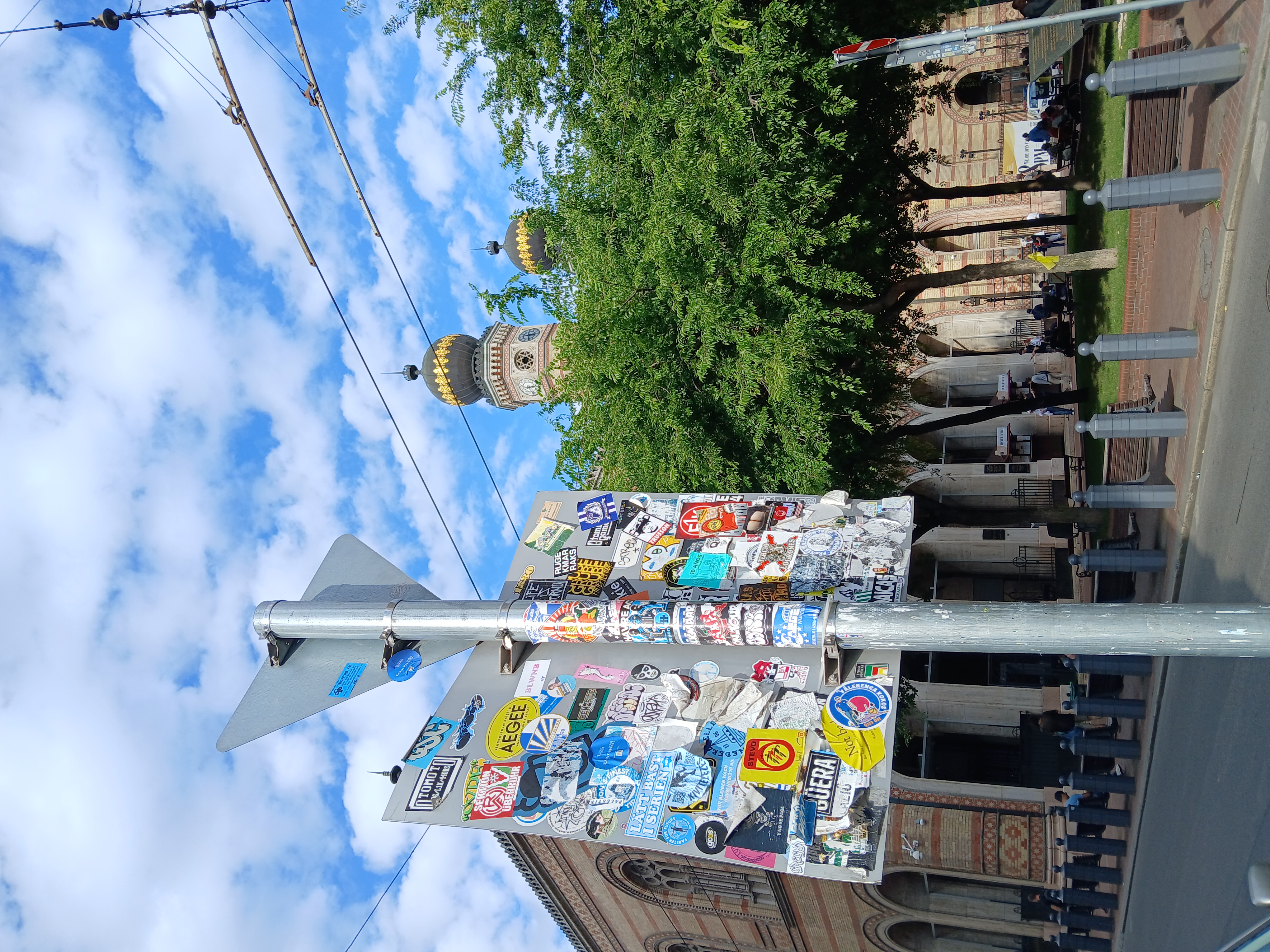
The Dohány Street Synagogue, a monumental testament to faith and resilience, stands as Europe's largest synagogue and a significant landmark. Its history is deeply intertwined with the Jewish community and the broader narrative of the region. Construction began in 1854 and was completed in 1859, based on the plans of Ludwig Förster, a prominent architect of the time. The synagogue's very existence reflects the evolving status and integration of Jewish people within society during the 19th century. However, this period of relative prosperity was tragically interrupted by the horrors of World War II, during which the synagogue and its surrounding area became part of the ghetto. Despite the immense suffering endured, the synagogue miraculously survived, becoming a symbol of hope and renewal in the post-war era. Restoration efforts, supported by international contributions, have ensured its preservation for future generations. Today, it serves not only as a place of worship but also as a poignant reminder of the past and a beacon of cultural heritage. The architecture of the Dohány Street Synagogue is a captivating blend of Moorish Revival style, incorporating elements of Byzantine, Romantic, and Gothic architecture. This eclectic design reflects the desire to create a unique and visually striking structure that would stand apart from traditional church architecture. The exterior is characterized by its imposing twin towers, adorned with intricate ornamentation and topped with onion-shaped domes. The facade features alternating stripes of red and yellow brick, a distinctive motif that adds to its visual appeal. Inside, the synagogue is equally impressive, with soaring arches, stained glass windows, and elaborate decorations. The sanctuary is vast and can accommodate thousands of worshippers. A notable feature is the presence of an organ, a relatively uncommon element in synagogues, which was installed to appeal to the sensibilities of the time. The synagogue also houses a museum that showcases the history of the Jewish community, as well as a memorial to the victims of the Holocaust. Visiting the Dohány Street Synagogue is a deeply moving experience. It offers a glimpse into the rich cultural heritage of the Jewish community and a poignant reminder of the challenges they have faced throughout history. The synagogue is open to visitors most days of the week, but it is advisable to check the opening hours in advance, as they may vary depending on the season and religious holidays. Tickets can be purchased online or at the entrance. Guided tours are available in multiple languages, providing valuable insights into the synagogue's history, architecture, and cultural significance. When visiting, it is important to dress respectfully, and men are required to wear a head covering (kippah), which is usually provided at the entrance. One interesting fact is that Theodor Herzl, the founder of modern Zionism, was born in a house adjacent to the synagogue. Another is that the synagogue's cemetery contains the graves of thousands of people who died in the ghetto during World War II. A visit to the Raoul Wallenberg Memorial Park, located behind the synagogue, is also highly recommended. This park commemorates the Swedish diplomat who saved thousands of Jewish lives during the Holocaust. Allow at least 2-3 hours to fully explore the synagogue complex and its surroundings.
Practical information
- Type
- Tourisme
- Opening hours
- Mar-Oct Sa-Th 10:00–20:00
Mar-Oct Fr 10:00–16:30
Nov-Feb Sa-Th 10:00–16:00
Nov-Feb Fr 10:00–14:00
Jan 01-04,Mar 01-Apr 27,Oct 01-26 10:00–17:30
Jan 08-Feb 28 10:00–15:30
Apr 29-Sep 30 10:00–19:30
Oct 28-Dec 31 10:00–13:30 - Entrance fee
- Yes
- Wheelchair access
- limited
- Built / founded
- 1859-09-06
- Architect
- Ludwig Förster
- Religion
- jewish
Rejoignez la communauté NOMADS
J’aime, commentaires, favoris et contacts locaux — tout dans l’app.